Exploring the Soul of the City: A Guide to Vancouver’s Most Iconic Historical Landmarks
Vancouver is globally celebrated for its stunning coastal vistas, majestic mountain ranges, and cutting-edge skyline. However, the city’s heritage goes much deeper, with roots stretching back nearly 10,000 years. Long before European settlers arrived, the Coast Salish peoples inhabited this land. Over time, the region transformed into a vital port city that became a pillar of Canada’s cultural and economic identity.
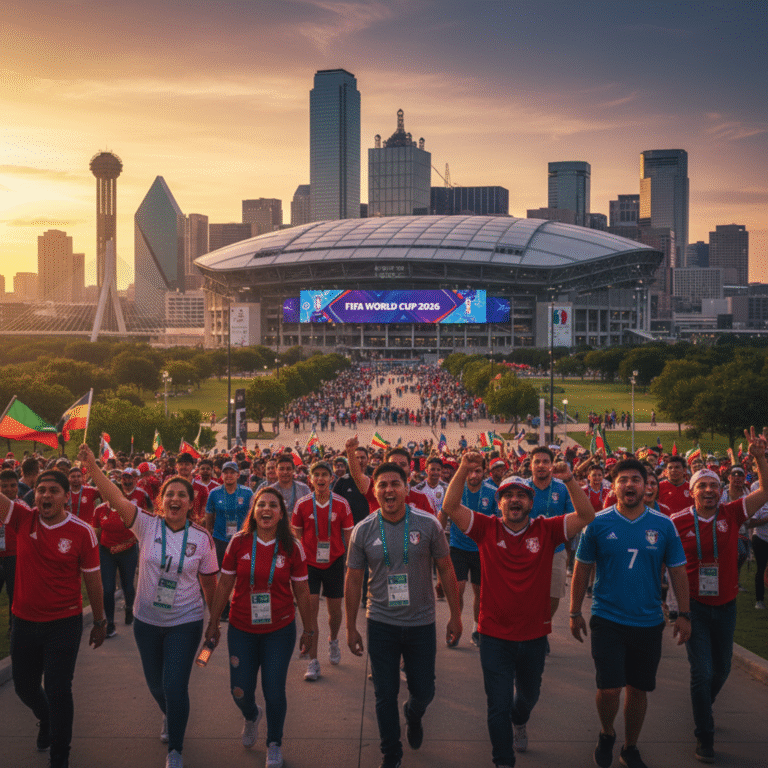
Today, the historic landmarks of the city serve as a bridge to the past. Whether you are a dedicated history buff, a heritage traveler, or a football fan visiting for the FIFA World Cup 2026, Vancouver offers a wealth of locations where history truly comes to life.
Below are the most prominent historical landmarks to explore, beginning with the city’s very first foundations.
1. Gastown: Where it All Began
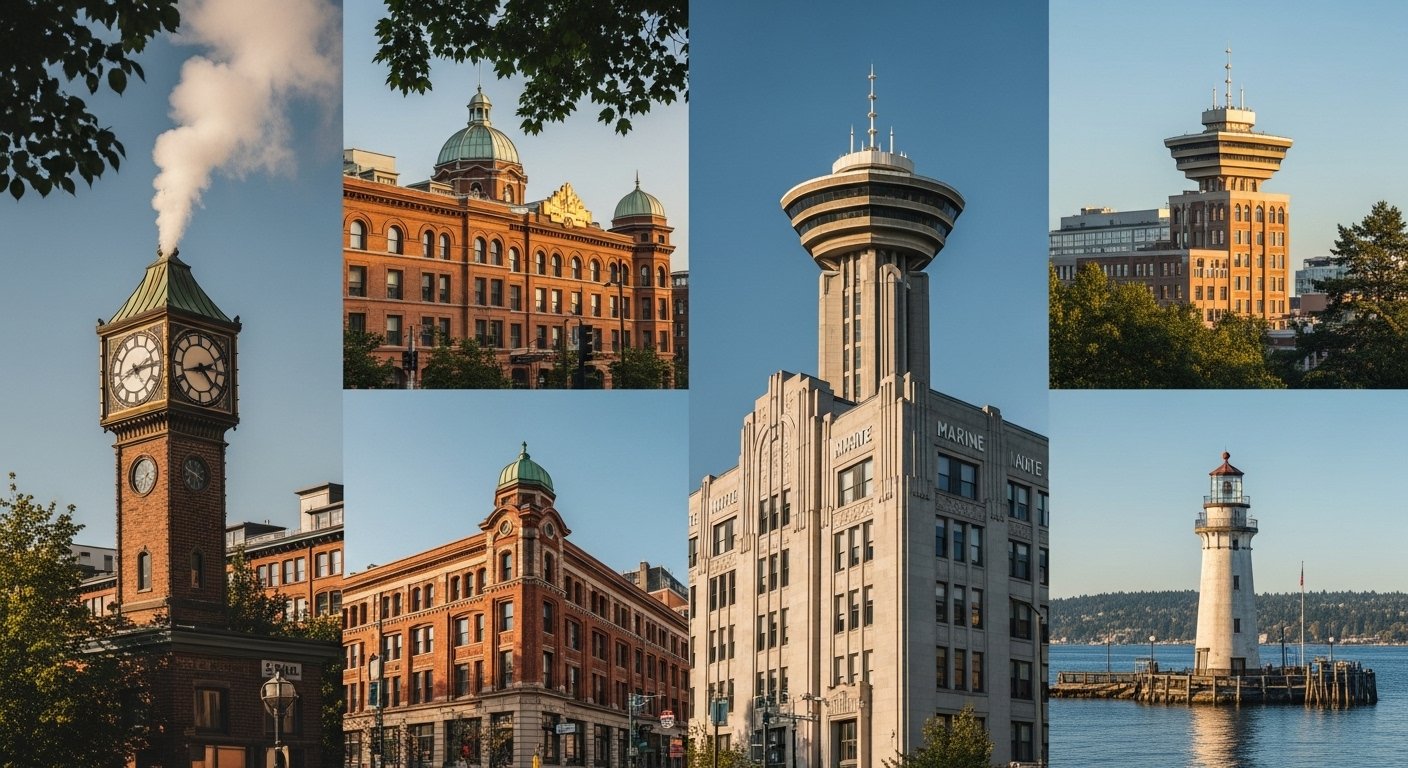
As the oldest neighborhood in the city, Gastown was established in 1867 by an English sailor named John “Gassy Jack” Deighton. His decision to open a saloon in the area triggered a wave of development. The most iconic sight here is the Steam Clock, a rare mechanism that whistles every 15 minutes and releases steam every hour.
While exploring, don’t miss the Vancouver Lookout for bird’s-eye views of the Pacific Ocean and the North Shore Mountains. Other highlights include the historic Victorian architecture of Maple Tree Square, the cobblestone charm of Water Street, and the towering presence of the Sun Tower.
2. Stanley Park: A Natural Legacy
Founded in 1888, Stanley Park is Vancouver’s premier urban green space, spanning over 400 hectares of lush West Coast rainforest. This land was home to Indigenous communities for millennia before the British colonized the area during the 1858 Fraser Canyon Gold Rush.
As one of the first areas explored by settlers, it remains a favorite for locals and tourists. Visitors can enjoy a nostalgic ride on the Stanley Park Train or dine at the park’s long-standing historic restaurant while taking in the views of the surrounding forest and sea.
3. Brockton Point Lighthouse
Constructed in 1914, the Brockton Point Lighthouse is a striking landmark along the Stanley Park seawall. While the original light on this site began operating in 1890, the current structure is what has become a world-famous photo spot. Although the light was officially decommissioned in 2008, it is still occasionally lit for decorative events. The area is also a great spot for wildlife spotting, including eagles, seabirds, and seals.
4. The Marine Building: Art Deco Splendor
A masterpiece of the 1930s, the Marine Building is widely considered one of the best examples of Art Deco architecture in North America. At the time it was finished, it held the title of the tallest building in the British Empire. Its intricate facade is decorated with carvings of waves, ships, and sea life, perfectly capturing Vancouver’s identity as a maritime hub.
5. Hastings Mill: The Great Survivor
The Hastings Mill Store, built in 1865, holds the distinction of being the oldest surviving building in Vancouver. It is particularly famous for surviving the Great Vancouver Fire of 1886, which destroyed much of the city. In the 1920s, the BC Native Daughters saved it from being torn down, and by 1932, it was reopened as a museum. It stands today as a volunteer-run testament to the city’s resilience.
6. The Sam Kee Building: A Record-Breaker
Located in Chinatown, the Sam Kee Building is recognized by Guinness World Records as the narrowest commercial building on the planet. Built in 1913, its ground floor is a mere 4 feet 11 inches deep. This architectural curiosity was born out of a land dispute and remains one of the city’s most unique heritage sites.
FIFA World Cup 2026 at BC Place Stadium
For the international travelers arriving in Vancouver for the historic FIFA World Cup 2026, much of your time will be spent around BC Place Stadium. This world-class venue will be hosting its first-ever World Cup matches.
To make your trip seamless, we recommend booking a luxury vacation rental or a reputable hotel in the immediate vicinity of BC Place. Staying nearby doesn’t just make match day easier—it places you within walking distance of some of the city’s most important historic sites, making your visit both exciting and culturally rich.
7. Canada Place: The Waterfront Icon
Built in 1986, Canada Place is a landmark of Vancouver’s modern commercial growth. Its famous white, sail-shaped roof mimics a giant ship on the water. Today, it serves as the International Cruise Terminal. Tourists can also enjoy FlyOver Canada, a 4D cinematic flight across the country’s most beautiful landscapes.
8. Beatty Street Drill Hall
A vital piece of Vancouver’s military heritage, the Beatty Street Drill Hall was completed in 1901. Originally a training ground for soldiers, its fortress-like design and high roof reflect ancient military styles. Today, the building has been repurposed as a venue for community gatherings, art exhibitions, and cultural festivities.
9. Holy Rosary Cathedral
As the primary Catholic church in the city, the Holy Rosary Cathedral (built in 1900) is a major religious monument. Its design highlights the European architectural influences that were popular in Vancouver during the early 20th century. The cathedral is famous for its stunning stained glass and towering spires; when sunlight hits the windows, the interior is filled with a breathtaking display of color.
10. The Sun Tower: A Skyline Jewel
The Sun Tower, built in 1912, was once the tallest point in the city skyline. It is most famous for its Golden Dome, a masterpiece of Beaux-Arts architecture. While it was originally an office building for the local newspaper, it now serves as a major attraction for those wanting to admire the craftsmanship of Vancouver’s early urban development.
In Closing
From the historic chimes of Gastown’s Steam Clock to the sprawling beauty of Stanley Park, Vancouver’s landmarks offer a profound look into the city’s soul. Most of these sites are conveniently located downtown or near BC Place Stadium, making them easy to explore at any time of year. These structures represent a blend of Indigenous heritage, European exploration, and the rise of a modern metropolis. Every building has a story—decide which one you want to hear first, and enjoy the journey through time.